Upton Park
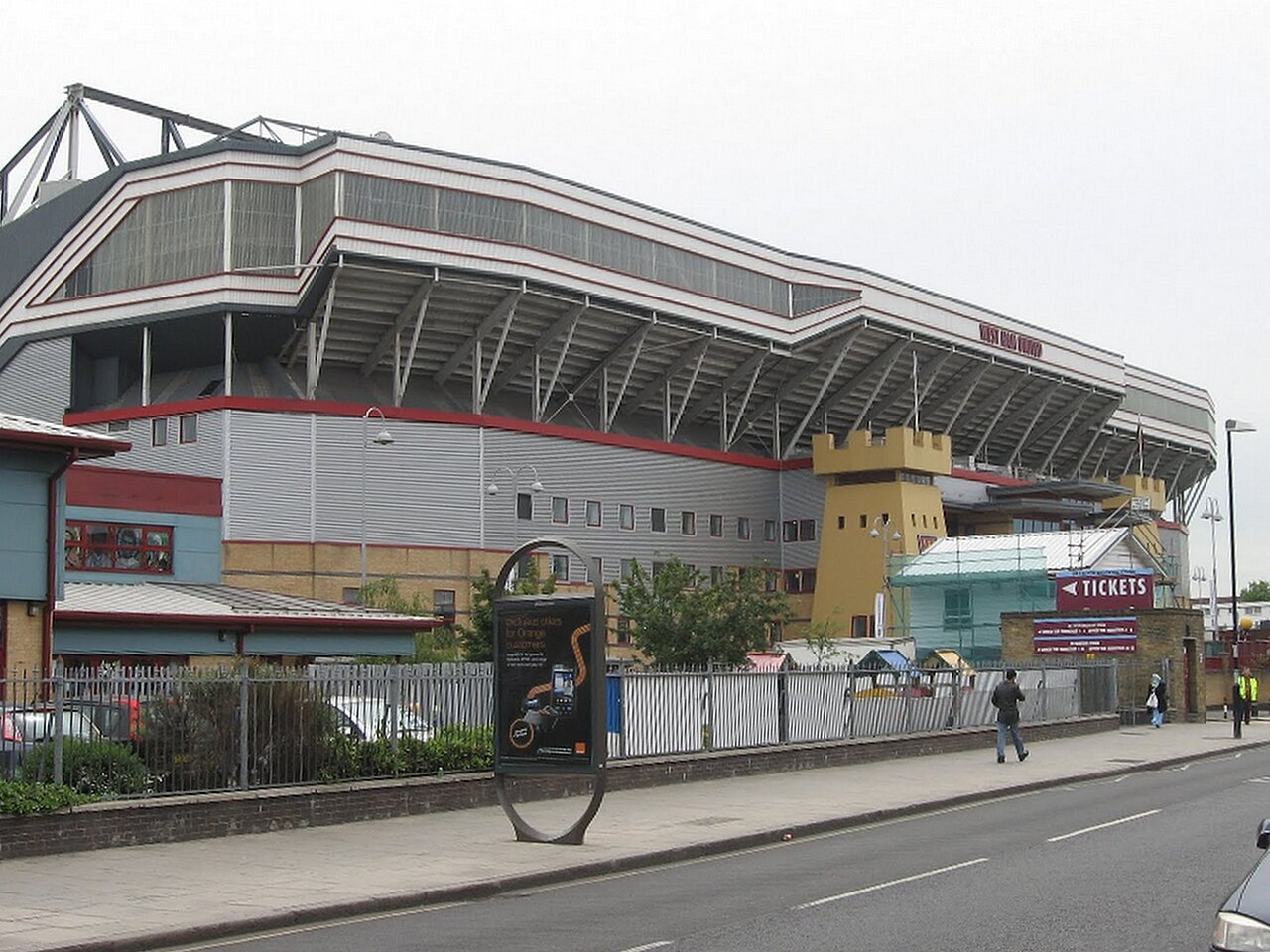
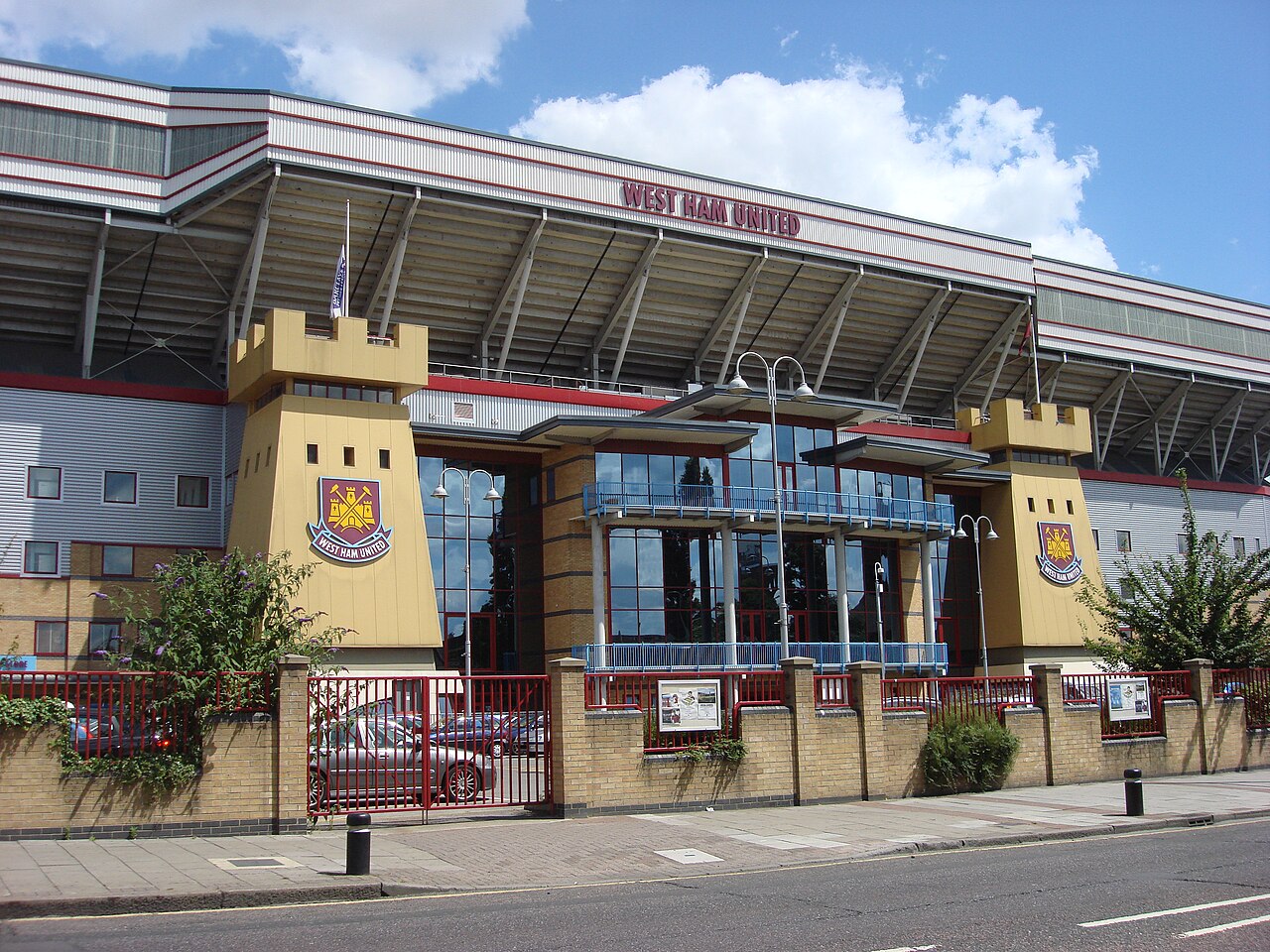
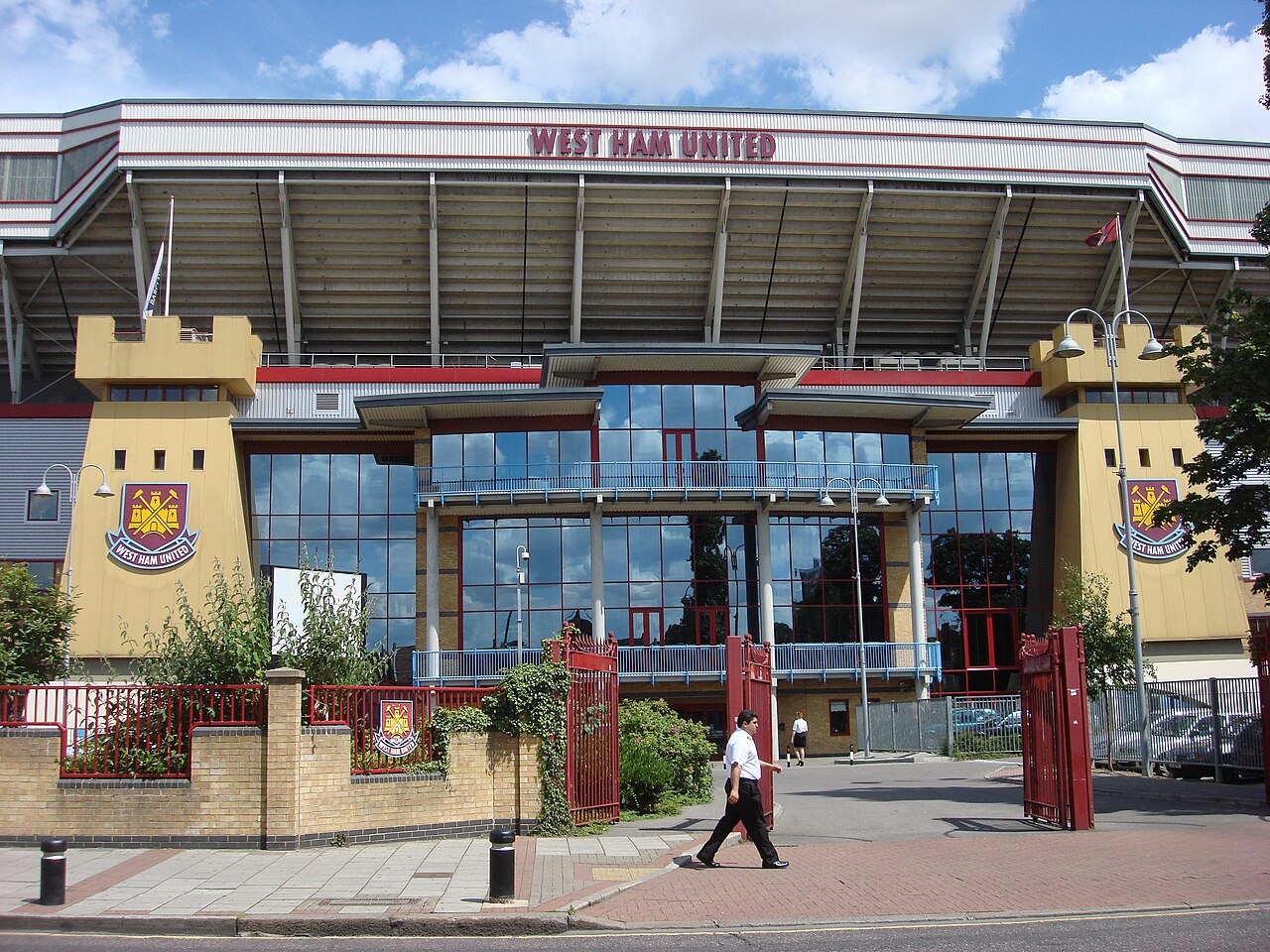
The Boleyn Ground, commonly known as Upton Park, was West Ham United's home from 1904 until the end of the 2015–16 season, but the club's original home was the Memorial Grounds (1900–1904).

via Wikipedia: Upton Park, London · see source
Upton Park is an area in the east of London, in the London Borough of Newham. It is centred on Green Street, the bustling thoroughfare that marks the boundary between West Ham and East Ham. For generations, the name 'Upton Park' has been synonymous with West Ham United Football Club, who played at the Boleyn Ground — commonly known simply as Upton Park — from 1904 until 2016. However, the club's original home ground was the Memorial Grounds, where they played from 1900 to 1904. The place name traces back to the farmstead and hamlet of Upton, located at Upton Lane in the parish of West Ham, first recorded as *Hupington* in 1203. The modern area took shape in the 1880s when a housing estate was built east of West Ham Park; the developers funded a new railway station, named after the estate, and the district around it gradually became known as Upton Park.
- Named after
- The housing estate and railway station built in the 1880s
- Distinctive feature
- The iconic clock atop the West Stand
Verified Timeline
Lore & Background
The Boleyn Ground, commonly known as Upton Park, was West Ham United's home from 1904 until the end of the 2015–16 season, but it was not their original home — that was the Memorial Grounds, used from 1900 to 1904. The club initially rented the land from Green Street House, known locally as Boleyn Castle because of its imposing nature and an association with Anne Boleyn. The southern end of Green Street runs alongside the western edge of the former Boleyn Ground. After the 2015–16 season, West Ham relocated to the former Olympic Stadium in Stratford and the Boleyn Ground has now been demolished. An unrelated football club of the area, Upton Park FC, were early pioneers in the game, and represented Great Britain at the 1900 Summer Olympics football tournament, where they won the gold medal. They played their home games at West Ham Park, but the first ever FA Cup goal was not scored there — it was scored at Clapham Common, by Jarvis Kenrick for Clapham Rovers in a 3–0 victory over Upton Park on 11 November 1871. Upton Park F.C was founded in 1866, and is believed to have folded for the second and last time around 1911, while West Ham United were founded as Thames Ironworks F.C. in 1895, before reforming as West Ham in 1900, playing their first games at the Memorial Grounds before moving to the Boleyn Ground in 1904.
In Their Own Story
On a rain-soaked pitch at West Ham Park, 11 November 1871, a Clapham Rovers forward named Jarvis Kenrick struck a historic shot — the first ever goal in FA Cup history — securing a 3–0 win over the local side, Upton Park FC. That pioneering club, founded in 1866, later represented Great Britain at the 1900 Summer Olympics football tournament and brought home the gold medal. Fast-forward a few decades: West Ham United — born as Thames Ironworks F.C. in 1895, reborn as West Ham in 1900 — made their home at the Boleyn Ground from 1904, renting the land from Green Street House, a grand manor locals called 'Boleyn Castle' for its imposing turrets and whispered ties to Anne Boleyn. After the 2015–16 season, the Hammers moved to the former Olympic Stadium in Stratford, and the Boleyn Ground — the spiritual heart of the club for 112 years — was demolished, leaving only memories and a housing estate in its place.
Reader's Guide
To soak in Upton Park today, start at the station on Green Street — jump off the District or Hammersmith & City lines. Head south along Green Street, where the roar of the crowd has been replaced by the chatter of market stalls and the scent of spices from east London's vibrant Asian community. Just west of the street, the footprint of the Boleyn Ground is now a new housing development, but you can still feel the ghosts of matchdays. For a taste of local life, duck into Queens Road Market, a covered arcade of food and clothing stalls that buzzes with energy — a far cry from the terraces, but pure East End character.
Did You Know?
- The place name Upton is first recorded as Hupington in 1203, thought likely to mean 'at the high lying farmstead'.
- Upton Park FC represented Great Britain at the 1900 Summer Olympics football tournament and won the gold medal — making them the first English club to win Olympic gold.
- The first ever FA Cup goal was scored by Jarvis Kenrick for Clapham Rovers in a 3–0 victory over Upton Park on 11 November 1871, but the match was played at Clapham Common, not West Ham Park.
- West Ham United were founded as Thames Ironworks F.C. in 1895, before reforming as West Ham in 1900, and played their first games at the Memorial Grounds from 1900 to 1904, before moving to the Boleyn Ground in 1904.
Gallery
Frequently Asked Questions
What is Upton Park and why do fans call it the Boleyn Ground?
Upton Park is the residential pocket of Stratford, East London, where West Ham's old stadium stood. The ground itself was named after the Boleyn family—direct ancestors of Anne Boleyn—who once owned the land. Supporters almost exclusively say 'The Boleyn Ground' rather than the street name, treating it as a badge of identity.
How long did West Ham play at Upton Park?
The club called the ground home for 112 consecutive seasons, from the first kick-off in 1904 to the final match in 2016. That single stretch spans more than a century of the club's competitive history under one roof.
What made Upton Park's atmosphere different from a modern big stadium?
Terraces and stands sat just metres from the touchline, with terraced houses wrapping around the perimeter, so a misplaced back-pass could bounce straight into a stranger's kitchen window. Fans describe it less as a cathedral of football and more as a living room with a roof—intimate, loud, and deeply personal.
What is the famous clock at Upton Park?
A large clock perched on top of the East Stand became the single most recognisable visual shorthand for the old ground. For the fanbase it encapsulates the entire Boleyn Ground era in one image, and its absence at the London Stadium is still felt.
What replaced Upton Park and when did the move happen?
After the last fixture in 2016, West Ham relocated to the London Stadium (the former Olympic Stadium), which opened for the club in 2017. The switch ended 112 seasons in Stratford and closed the chapter on the ground that had defined the club's character for over a century.
More in Stadium & Culture
Elsewhere in the West Ham United universe
Spotted an error? Know more?
This is a living reference — every entry is fact-audited, and reader corrections feed straight into our audit queue. Suggest an edit · See this site's audit record